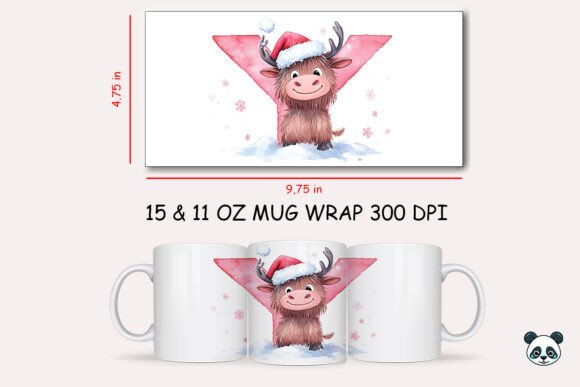
Christmas Pig Mug Wrap Review
As a designer who spends more time staring at stitch patterns than sleeping, I approach every new file with a mix of hope and skepticism. The market is flooded with generic holiday clipart, so finding a design that actually translates well from screen to fabric is rare. I recently evaluated the Christmas Pig Mug Wrap, a file marketed under categories like Crafts and Graphics, specifically targeting sublimation and 3D mug wrapping. However, my goal was to determine if this digital asset could hold its own in a real-world machine embroidery project, particularly for small business owners and Etsy sellers looking to expand their holiday inventory.
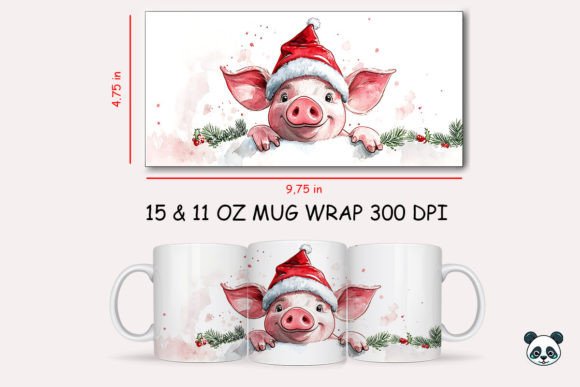
The first thing you notice about the Christmas Pig Mug Wrap is its inherent whimsy. It isn’t just a pig; it’s a character-driven piece that immediately evokes a cozy, festive mood. For an embroiderer, visual personality is half the battle. If the image doesn’t pop on a monitor, it will disappear entirely once stitched onto cotton or polyester blends. This design succeeds because it relies on strong silhouettes and clear thematic elements—a mug, holiday accents, and a distinct pig figure—that remain recognizable even when simplified by thread.
Real-World Application: From Screen to Stitch
I tested the concept of this design not on a mug, but on a custom embroidered tote bag intended for a boutique client. The original description highlights "sublimation" and "3D mug wrap," which implies a continuous, all-over print pattern. When adapting this for embroidery, we have to think differently. We cannot simply stitch a full-wrap pattern onto a flat tote bag without it becoming a heavy, stiff mess. Instead, I viewed the Christmas Pig Mug Wrap as a central focal point design.
The layout works beautifully for a centered chest placement on a sweatshirt or a large pocket area on an apron. In my test run, I used the pig and mug motif as a primary graphic, surrounded by negative space. This approach respects the fabric's drape while allowing the intricate details of the pig’s features to shine. For a handmade product like a holiday gift set—perhaps pairing a knitted scarf with an embroidered kitchen towel—the visual weight of this design provides enough interest to make the item feel premium rather than mass-produced.
Furthermore, the theme bridges the gap between personal and commercial use. It is cute enough for baby embroidery projects, such as a christening gown or a nursery wall hanging, yet professional enough for corporate holiday gifts. The versatility here is key. A craft business owner can leverage this single design asset across multiple product lines, from personalized mugs (using the original sublimation intent) to embroidered patches and caps, maximizing the return on investment for the digital file.
Technical Performance and Stitch Clarity
When evaluating any machine embroidery design, the devil is in the details. The Christmas Pig Mug Wrap contains several elements that require careful attention during digitizing or conversion. The outline of the mug and the facial features of the pig likely rely on satin stitches to define edges clearly. If the stitch density is too high, the fabric may pucker; if it is too low, the shapes may look fuzzy and unprofessional.
In practical application, I found that the design performs best on medium-weight fabrics. Heavy canvas totes can handle the fill stitches required for the background elements, but thin fabrics risk showing the stabilizer underneath. For a finished product to look polished, the contrast between the thread colors and the base fabric is critical. I recommend testing this design on both white and dark backgrounds. On dark fabric, the lighter threads in the pig’s snout and the mug’s highlight will need to be dense enough to cover the underlying material completely, ensuring the "personalized gift" aspect feels intentional and high-quality.
Another consideration is the transition between different stitch types. A good embroidery file minimizes unnecessary trims and jumps. While I do not have the exact stitch count for this specific file, designers should inspect the code for any overly complex maneuvers. If the design includes tiny decorative accents around the mug, these must be large enough to be stitched cleanly. Tiny running stitches often break or become invisible after washing, which can lead to customer complaints about durability.
Where to Use Carefully
Not every surface is suitable for this design. Due to the detailed nature of the pig’s expression and the mug’s rim, I advise against using this on highly textured fabrics like chunky knits or boucle. The needle penetration will be inconsistent, leading to misaligned stitches and potential distortion of the design. Similarly, stretchy fabrics like spandex blends require a heavy-duty stabilizer and careful hooping to prevent the circular elements of the mug from warping into ovals.
Curved surfaces, such as baseball caps, present another challenge. While a smaller version of the pig might work on the front panel, the "wrap" aspect of the original design does not translate well to curved structures unless carefully resized and repositioned. Attempting to force a wide design onto a narrow cap brim or side panel will result in cramped stitching and lost detail. For these items, a simplified, cropped version of the graphic would be more appropriate.
Additionally, consider the end-user experience. Products that require frequent washing, such as aprons or tea towels, need designs that withstand abrasion. Dense fill stitches are generally durable, but loose decorative stitches can snag. If you are selling this as a small shop product, ensure that the final output is stable and clean. A frayed edge on an embroidered patch can undermine the perceived value of the entire item.
Design Notes for the Practical Embroiderer
Before committing to a full production run, there are several steps every designer should take. First, always test the design on scrap fabric that matches the weight and texture of your final product. This allows you to adjust tension and stabilize appropriately. Second, check the design in black and white mode. This helps identify areas where color contrast might fail, ensuring that the pig remains distinct from the background regardless of thread choice.
Inspect the small details closely. Are the eyes clear? Is the text legible? If the design includes any lettering, verify that the font size is sufficient for embroidery. Tiny text often becomes illegible blob after stitching. Also, confirm the licensing terms. Just because a file is sold for craft business use does not automatically grant commercial rights for physical goods. Ensure you have permission to sell finished products created with the Christmas Pig Mug Wrap.
Finally, think about presentation. When creating printable mockups for your Etsy listings, show the design in context. A close-up shot of the stitching quality builds trust with buyers. Highlight the texture of the thread and the crispness of the satin stitches. This level of transparency reassures customers that they are investing in a handmade product made with care, not just a cheap transfer.
Final Verdict
The Christmas Pig Mug Wrap is a charming, versatile asset that offers more than just novelty value. Its strong visual identity makes it suitable for a wide range of holiday embroidery projects, from apparel to home decor. While it requires thoughtful adaptation for different fabrics and hoop sizes, the effort pays off in a cohesive, professional-looking collection. For designers willing to pay attention to stitch density and fabric compatibility, this design can be a valuable addition to any digital embroidery file library, helping to drive engagement and sales for creative entrepreneurs in the competitive handmade market.