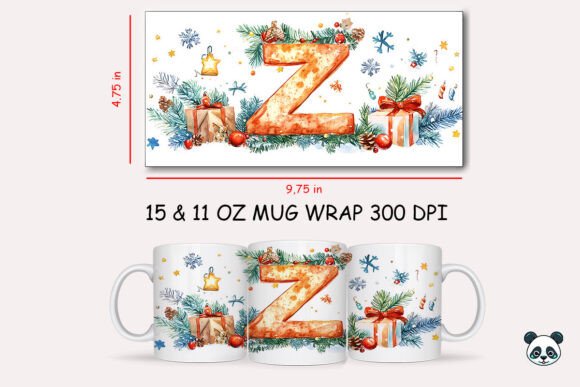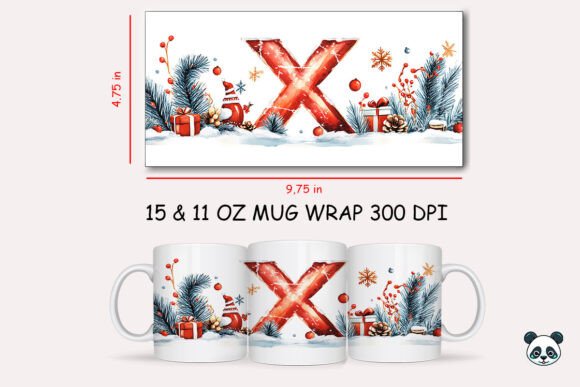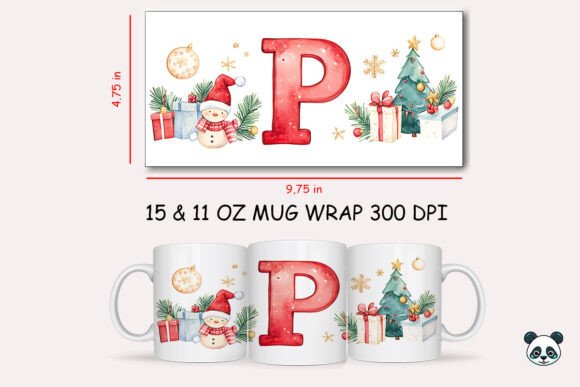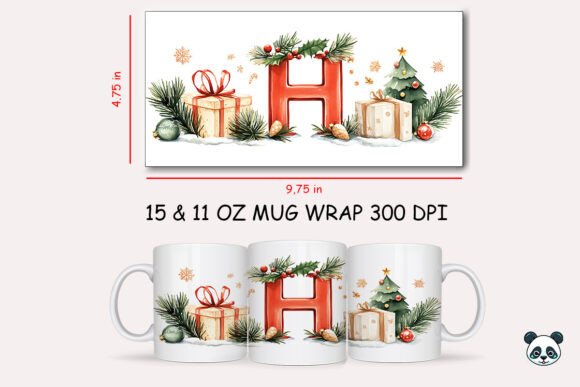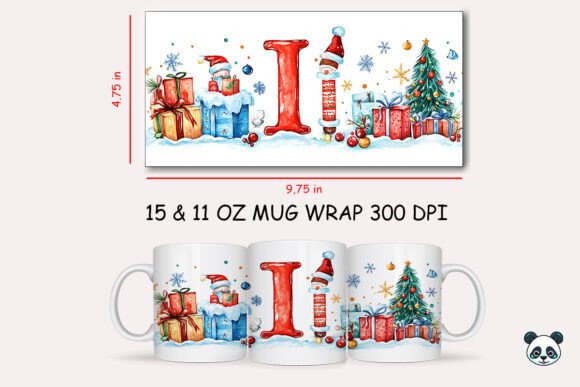
Review: Christmas Letter I Mug Wrap Sublimation
As a designer who spends half my life troubleshooting stitch density and the other half trying to convince clients that "simple" is actually hard to execute well, I approach every new digital asset with a mix of skepticism and curiosity. When I first pulled up Christmas Letter I Mug Wrap Sublimation, my initial reaction wasn't about the holiday cheer—it was about execution. Would this translate cleanly into a finished product? Could it hold up in a real-world embroidery project without looking muddy or overly busy?
This review isn't just about aesthetics; it's about utility. I’m evaluating this file as if I were preparing it for a high-stakes client order or a best-selling item on my own Etsy shop. The goal is to determine if Christmas Letter I Mug Wrap Sublimation is a reliable tool for your craft business or just another pretty picture that falls apart under the needle.
First Impressions: Mood and Visual Personality
The name suggests a specific narrative: a letter, likely handwritten or styled like vintage correspondence, wrapped around a mug. In the world of Graphics and Crafts, this theme taps directly into the nostalgia market. It feels warm, personal, and intimate. Visually, the design creates a cozy atmosphere that pairs exceptionally well with winter themes.
What stands out immediately is the layout. Unlike many holiday designs that feel cluttered with snowflakes, reindeer, and excessive borders, this design seems to rely on typography and perhaps a singular focal element. This restraint is crucial for machine embroidery design. If the original graphic is too dense, the digitizer will have to make compromises, often resulting in lost detail or puckering. From what I can see, the balance between negative space and filled areas looks promising. It suggests a design that breathes, which is exactly what you want when translating 2D art into 3D fabric texture.
Real-World Application: Where Does This Fit?
Let’s talk about where Christmas Letter I Mug Wrap Sublimation actually shines. I recently had a request from a boutique owner who wanted a cohesive line of holiday gifts. She didn’t just want mugs; she wanted a lifestyle brand. This is where the concept of the "mug wrap" becomes interesting. While the file is labeled for sublimation, the visual composition works beautifully for custom apparel and accessories.
Imagine applying this design to a heavy cotton tote bag. The lettering would pop against the canvas, creating an instant personalized gift vibe. Or consider using it on a sweatshirt embroidery project placed over the heart pocket area. The horizontal flow of a "wrap" style design mimics the natural curve of a torso or the cylindrical shape of a mug, making it versatile for curved surfaces.
I also see strong potential in nursery decor. A soft, pastel version of this embroidery project stitched onto a muslin blanket or a baby onesie could be a hit. Parents love items that look like they were written specifically for their child. The "letter" aspect of the design lends itself perfectly to this kind of sentimental storytelling. It transforms a standard commodity into a keepsake.
Project Ideas Beyond the Mug
- Kitchen Towels: The vertical orientation of a letter design often fits the long shape of tea towels nicely.
- Applique Projects: If the design allows, cutting out the letters from felt or fleece and stitching them down adds dimension.
- Pillow Covers: A central placement on a throw pillow creates a striking focal point for a living room.
- Embroidered Patches: With a proper border, this could be turned into a morale patch for jackets or bags.
Technical Considerations for the Designer
Here is where we get practical. Not all digital embroidery files are created equal, and assuming this one will run perfectly on your machine is a recipe for frustration. Before you commit to a full production run, you need to scrutinize the technical details.
Stitch Density and Clarity: The core challenge with typographic designs is legibility. Small serifs or thin lines can disappear if the stitch density is too low, or they can bleed together if it’s too high. You must check the stabilizer requirements. For a design like this, which likely involves fine details, a cut-away stabilizer might be necessary to prevent shifting, especially if you are working with stretchy fabrics like jersey knits for sweatshirt embroidery.
Thread Color Contrast: The success of this design hinges on thread choice. If the background fabric is dark, you cannot use light threads without a backing layer, or the design will look faint. Conversely, white thread on white fabric requires a shadow stitch or a contrasting base color to stand out. Test your thread colors against your actual fabric swatches. Don't guess based on the screen preview.
Hoop Size Constraints: Ensure the design fits within your standard hoop sizes. If the "wrap" extends beyond the hoop, you may need to rehoop, which introduces alignment risks. For small projects like baby embroidery on caps or hats, you need to verify that the scale is appropriate. A design meant for a large mug might look comical or overwhelming on a tiny cap brim.
Risks and Areas for Caution
Even great designs have limitations. There are specific scenarios where Christmas Letter I Mug Wrap Sublimation might struggle:
- Textured Fabrics: Avoid placing this on boucle, sherpa, or heavily napped fabrics. The texture will obscure the fine details of the lettering.
- Thin or Sheer Materials: Without adequate support, delicate fabrics will pucker around dense stitch areas. Always use a tear-away or water-soluble topping if you must work on thin materials.
- Curved Surfaces: While the design mimics a wrap, flat embroidery on a curved surface (like a baseball cap) can distort the text. Use a multi-hooped approach or a specialized cap frame to maintain accuracy.
- Small Hoops: Do not attempt to reduce the size of this design below its minimum recommended dimensions. Tiny text is nearly impossible to read after washing and wear.
Value Proposition for Sellers
For the Etsy seller or small shop product creator, the value of this design lies in its versatility and emotional appeal. Holiday items sell on emotion. A design that evokes the feeling of writing a heartfelt letter connects with buyers on a deeper level than generic clipart. This can justify a higher price point for your handmade product.
Furthermore, because the design is thematic rather than character-specific, it avoids copyright pitfalls associated with famous brands or characters. This makes it safer for commercial embroidery use, provided you verify the licensing terms included with the file. Always confirm whether you have the right to sell finished goods made from this design assets package.
Final Verdict
Christmas Letter I Mug Wrap Sublimation appears to be a solid addition to any designer’s library for the holiday season. It offers a clean, nostalgic aesthetic that translates well across various mediums, from tote bag design to home decor. Its strength lies in its simplicity and focus on typography, which reduces technical headaches during digitization.
However, success depends on your preparation. Test thoroughly. Check your stitch density. Choose your fabrics wisely. And most importantly, remember that the best finished product comes from a designer who respects the material as much as the image. If you treat this file with the care it deserves, it has the potential to become a standout item in your craft business lineup.
Before you start mass-producing, take the time to create a few printable mockups or stitch samples on different backgrounds. See how the mood shifts from bright white cotton to deep navy fleece. That exploration is where the true magic happens, turning a simple digital file into a treasured personalized gift.