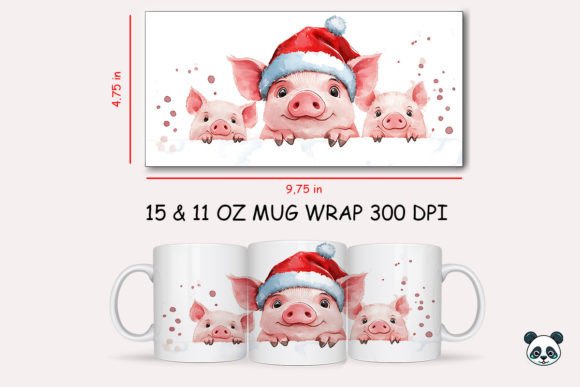
Review: Christmas Pig Mug Wrap 1
As a designer who spends half my life staring at digitized files and the other half troubleshooting tension issues on industrial machines, I don’t just look for "cute." I look for viability. When I first pulled up Christmas Pig Mug Wrap 1, my initial reaction was less about the holiday theme and more about the structural integrity of the design itself. This is a file that screams "commercial potential," but like many festive assets in the Crafts and Graphics categories, it requires a discerning eye to ensure it translates well from screen to stitch.
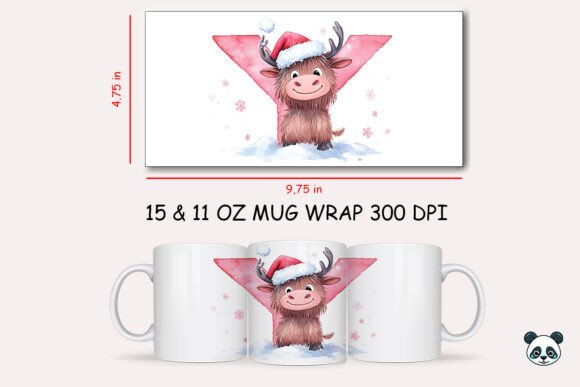
The concept is straightforward: a mugs wrap design featuring a pig in a Christmas setting. It falls squarely into the niche of personalized gifts and holiday merchandise. But does it hold up under the scrutiny of a real-world embroidery project? Let’s break down the visual personality, practical application, and potential pitfalls of using this machine embroidery design in your next batch of handmade products.
First Impressions and Visual Personality
The mood of Christmas Pig Mug Wrap 1 is undeniably cozy. It taps into that specific vein of "hygge" marketing that performs exceptionally well on platforms like Etsy. The layout is designed to wrap around a cylindrical object, which suggests its primary intended use is indeed sublimation or heat transfer onto mugs. However, as an embroidery reviewer, I am immediately thinking about how this graphic can be adapted for textile applications.
The visual weight of the design feels balanced. It isn’t overly cluttered with tiny details that might get lost in the fabric texture, nor is it so simple that it lacks character. The pig motif adds a touch of whimsy that appeals to a broad demographic, from children to adults who appreciate lighthearted holiday decor. For a custom apparel decorator, this kind of approachable, non-traditional holiday imagery often outperforms generic snowflakes or reindeer because it feels fresh and unique.
However, the term "mug wrap" implies a continuous image. In embroidery, we rarely have infinite canvas space. The challenge here is translating a wrap-around concept into a localized applique or fill-stitch design. If you are planning to use this as a standalone embroidery project, you need to consider whether the design elements flow logically when cropped or scaled down. Does the pig’s expression remain intact if the mug handle area is omitted? These are the questions that separate a good digital asset from a great physical product.
Real-World Application Scenarios
Let’s imagine a concrete scenario. You are preparing inventory for the upcoming holiday rush. You want to create a line of personalized gifts that stand out on a craft fair table. Instead of standard ornaments, you decide to produce custom embroidered kitchen towels or aprons.
Christmas Pig Mug Wrap 1 could work beautifully here as a central focal point. Imagine a heavy cotton tea towel where the design is stitched in the center, perhaps incorporating a small text element like "Hot Cocoa Ready" nearby. The warmth of the color palette—likely reds, greens, and creams—would contrast nicely against white or cream fabrics. It transforms a mundane utility item into a charming handmade product that customers are eager to buy as a housewarming or hostess gift.
Another strong use case is baby items. A soft onesie or a burp cloth featuring this design would likely resonate with new parents looking for something cute but not overly gendered. The simplicity of the pig character makes it suitable for baby embroidery, provided the stitch density is appropriate for delicate skin. It also fits well into nursery decor themes, such as embroidered wall hangings or pillow covers, where the circular nature of the mug can be framed by a simple satin stitch border.
For Etsy sellers and small shop owners, versatility is key. This design can serve as a base for various design assets. You might digitize it once and then adapt it for different hoop sizes, creating multiple listings from a single source file. Whether it ends up on a tote bag design for holiday shopping or a sweatshirt embroidery piece for family matching outfits, the core appeal remains the same: friendly, festive, and marketable.
Where to Use It Carefully
While the design has merit, there are specific contexts where Christmas Pig Mug Wrap 1 might struggle. Precision is everything in embroidery, and certain materials fight against clarity.
- Small Hoop Sizes: If you attempt to digitize this for a very small hoop (under 4x4 inches), you risk losing detail. Tiny features of the pig’s face or the mug’s texture may merge into indistinguishable blobs. Always test the scaling before committing to production.
- Textured Fabrics: Materials like terry cloth, fleece, or heavily textured wools can obscure fine stitches. The design relies on clean lines to read effectively; a bumpy surface will muddy those lines. Stick to smooth cottons, linens, or blends for the best results.
- Stretchy Fabrics: Knits require careful stabilizer support. Without proper backing, the curvature of a mug wrap design can distort on a stretchy jersey fabric, making the mug look oval instead of round. Use cut-away stabilizers for these projects.
- Dense Stitch Areas: If the design includes large fill stitches, ensure your machine can handle the thread load. Too much density on thin fabric can cause puckering, ruining the professional look of your finished product.
Stitch Quality and Professional Presentation
The success of any embroidery file comes down to stitch quality. For Christmas Pig Mug Wrap 1, pay close attention to the transition between colors. If the design uses multiple thread colors, check for jump stitches that might be visible on the back or front. Clean trims and logical color changes elevate a design from amateur to professional.
Consider the use of applique design techniques. Given the shape of a mug, an applique base followed by satin stitching for outlines could give the final piece a premium feel. This technique hides raw edges and allows for bold, crisp shapes that pop against the background fabric. It is particularly effective for embroidered patch applications where durability is important.
Furthermore, think about stitch density. A design that is too sparse may look cheap on thicker fabrics, while one that is too dense may overwhelm lighter materials. Review the digitization to ensure the balance is right for your target market. If you are selling to high-end boutiques, they will expect impeccable execution. If you are targeting budget-friendly craft fairs, speed and efficiency might take precedence, but clarity should never be compromised.
Practical Designer Notes
Before you upload this to your shop or start stitching for clients, follow these steps to ensure satisfaction:
- Test on Scrap Fabric: Never run a full production batch without a test stitch-out. Check how the threads interact with your specific fabric choice.
- Check Thread Color Contrast: Ensure the chosen thread colors provide enough contrast against the fabric. Low contrast can make the design invisible or muddy.
- Inspect Small Details: Zoom in on the digitized file. Are the eyes distinct? Is the mug handle clear? If details are too small, simplify the design before stitching.
- Confirm Licensing: As a digital embroidery file, licensing terms vary wildly. Some designs are for personal use only, while others allow commercial sales of finished goods. Verify this explicitly to avoid legal issues.
- Use Proper Stabilizer: Match your stabilizer to your fabric weight. Heavy fabrics need heavy stabilizers; light fabrics need lightweight tear-away or wash-away options.
- Black and White Mockup: View the design in grayscale to check value distribution. If the design lacks depth in black and white, it may lack dimension in color.
Final Verdict
Christmas Pig Mug Wrap 1 is a solid addition to any designer’s library for the holiday season. It offers a charming, marketable theme that bridges the gap between traditional Christmas aesthetics and modern, playful design. Its strength lies in its versatility across various craft business items, from kitchen towels to holiday embroidery apparel.
However, success depends entirely on execution. By paying attention to fabric choice, stitch density, and proper digitization practices, you can transform this digital asset into a tangible, beloved personalized gift. It is not just a mug wrap; it is a template for customer delight. Just remember to review the technical specifications, confirm your commercial rights, and always prioritize the tactile experience of the final handmade product. When done right, this design has the potential to become a bestseller in your small shop product lineup.